




Shopping Cart
Acoustic Pollution
Acoustic pollution can be defined as excessive exposure to sounds and noises with an intensity exceeding 65 decibels (dB), a threshold set by the World Health Organization (WHO). Any sound exceeding 75 dB is considered harmful to your hearing, while the pain threshold begins around 120 dB. In the presence of noises above 30 dB, it's even difficult to sleep.
Acoustic pollution poses a significant danger to public health; the WHO estimates that 360 million people worldwide suffer from some form of hearing loss.
How Noise Transmits
Noise transmits as a wave. When emitted, a vibration travels through the air, and when it encounters an obstacle, pressure begins. The vibration arrives as energy at the object the noise encounters. The object, in turn, will begin to vibrate and transmit the vibration through itself.
For noise to spread, it needs a medium with mass and elasticity. In a building, this primarily happens in two ways: through airborne propagation, meaning in the absence of obstacles hindering its path, or through structural propagation, generated by mechanical impacts on walls and floors.
Our Solution to Acoustic Stress
Acoustic stress, especially if experienced at home, is one of the fundamental aspects affecting quality of life. That's why we decided to act on the causes of this stress.
What are these causes?
- Music or TV at excessive volume
- Street noise
- Footsteps in the corridor
- Noisy neighbors
- Operating appliances
These are just the most common examples. But these are precisely the ones that most impact our homes and the buildings we live in.
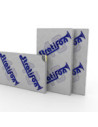
To limit and eliminate these noises, we designed Stratifon panels. Stratifon panels effectively absorb and mitigate these vibrations, creating quieter and more comfortable living and working environments.