

Shopping Cart
- Simone
- News
- 0 likes
- 3798 views
- 0 comments

Sound Insulation and Sound Absorption: Differences, Materials, Applications and Complete Guide to Building Acoustics
What is Building Acoustics and Why It Matters
Building acoustics is the branch of engineering and architecture focused on the control and management of sound in built environments. It includes two complementary but distinct aspects: sound insulation (or fonoimpedance) and sound absorption. Ignoring these variables means exposing people to noise pollution, work stress, low productivity, and non-compliance with regulations.
What is Sound Insulation (Fonoimpedance)
Sound insulation refers to the ability of a building structure (wall, floor, roof, door, window) to prevent the transmission of noise between separate rooms. It is crucial in apartment buildings, hotels, schools, offices, and hospitals, where sound can travel from one room to another, compromising comfort and privacy.
What is Sound Absorption
Sound absorption is the ability of a material to absorb sound energy within a space, reducing reverberation and echo. It improves the quality of perceived sound in closed environments, optimizing speech intelligibility and auditory comfort.
Main Differences Between Sound Insulation and Sound Absorption
| ASPECT | SOUND INSULATION (FONOIMPEDANCE) | SOUND ABSORPTION (FONOASSORBENCE) |
|---|---|---|
| Purpose | Prevent sound transmission between rooms | Reduce sound reflection within the room |
| Function | Blocks noise | Dissipates sound energy |
| Placement | Wall structures, partitions, floors | Visible inside: walls, ceilings, furniture |
| Materials used | Dense and massive (lead, laminated plasterboard) | Porous, fibrous or perforated (polyester, melamine, perforated wood) |
| Measurement | Rw (dB) | αw (0–1), NRC (absorption coefficient) |
Materials for Sound Insulation: Types and Performance
- High-density materials:
- Lead: maximum insulation, but expensive and not eco-friendly
- Plasterboard coupled with polymers or mineral wool
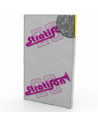
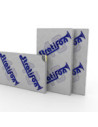
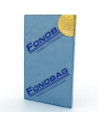
- Multilayer panels with mass-spring-mass structure (such as Stratifon and Fonobag panels)
- Elastic insulators:
- Anti-vibration acoustic membranes
- Underfloor insulation mats (rubber, cork, or polymers)
- Composite wood fiber panels
Materials for Sound Absorption: What to Use and When
- Sound-absorbing panels:
- Recycled PET: fire-resistant, lightweight, suitable for offices and schools
- Melamine foam: for recording studios and home cinemas
- Perforated or micro-perforated wood: for conference rooms or elegant spaces
- Absorbing accessories:
- Thick acoustic curtains
- Carpets or technical rugs
- Absorbent furnishings (bookshelves, sofas, curtains)
How to Install Soundproofing and Sound-absorbing Materials
- Sound insulation:
- Dry-mounted soundproof partitions on metal studs (e.g. Stratifon and Fonobag)
- Floating floors on anti-vibration mats
- High-performance acoustic windows and doors
- Mass-spring-mass coupling between rigid and elastic materials
- Sound absorption:
- Wall-mounted or ceiling-hung panels
- Plug-and-play modular systems
- Technical adhesives or metal frames with quick anchoring
When to Intervene: Soundproofing and Absorption Over Time
| Design Phase | Recommended Intervention |
|---|---|
| Planning / New constructions | Integrate structural soundproofing and silenced systems |
| Interior renovations | Add suspended ceilings and internal partitions |
| Already furnished spaces | Install aesthetic sound absorbers or technical furniture |
| Post-complaints / Poor acoustics | Phonometric analysis and targeted corrections |
Consequences of Poor Acoustic Treatment
- Regulatory non-compliance (possible fines and legal actions)
- Loss of clients or users in commercial or hospitality settings
- Incorrect reverberation time = work-related stress
- Increased vocal effort = vocal fatigue
- Reduced focus and productivity
- Negative reputation and bad reviews
Key Concepts to Know
- Psychoacoustics: how the brain perceives noise and silence
- Architectural acoustics: design of public or sacred spaces
- UNI EN ISO 12354 and 11654: calculation methods and classifications
- Sound level meters and in-situ acoustic measurements
- Certified acoustic solutions: CAM and LEED compliant
Useful Resources
- Wikipedia – Acoustic Insulation
- UNI EN ISO 11654 – Acoustic absorption classification
Conclusions and Practical Advice
The integrated approach between sound insulation and absorption is now essential. No material works alone: each element must be evaluated based on noise frequency, intended use, current regulations, and environmental conditions.
- For new buildings: include acoustic barriers at the design stage.
- For renovations: opt for lightweight, modular and easy-to-install systems.
- For noisy, already furnished rooms: intervene with aesthetically integrated sound-absorbing elements.
If you need a personalized acoustic consultation or a phonometric analysis of your space, we can connect you with our partner. Contact us describing your request in detail, including the location for any inspection.
Comments (0)