






Shopping Cart
- Simone
- News
- 2 likes
- 333 views
- 0 comments
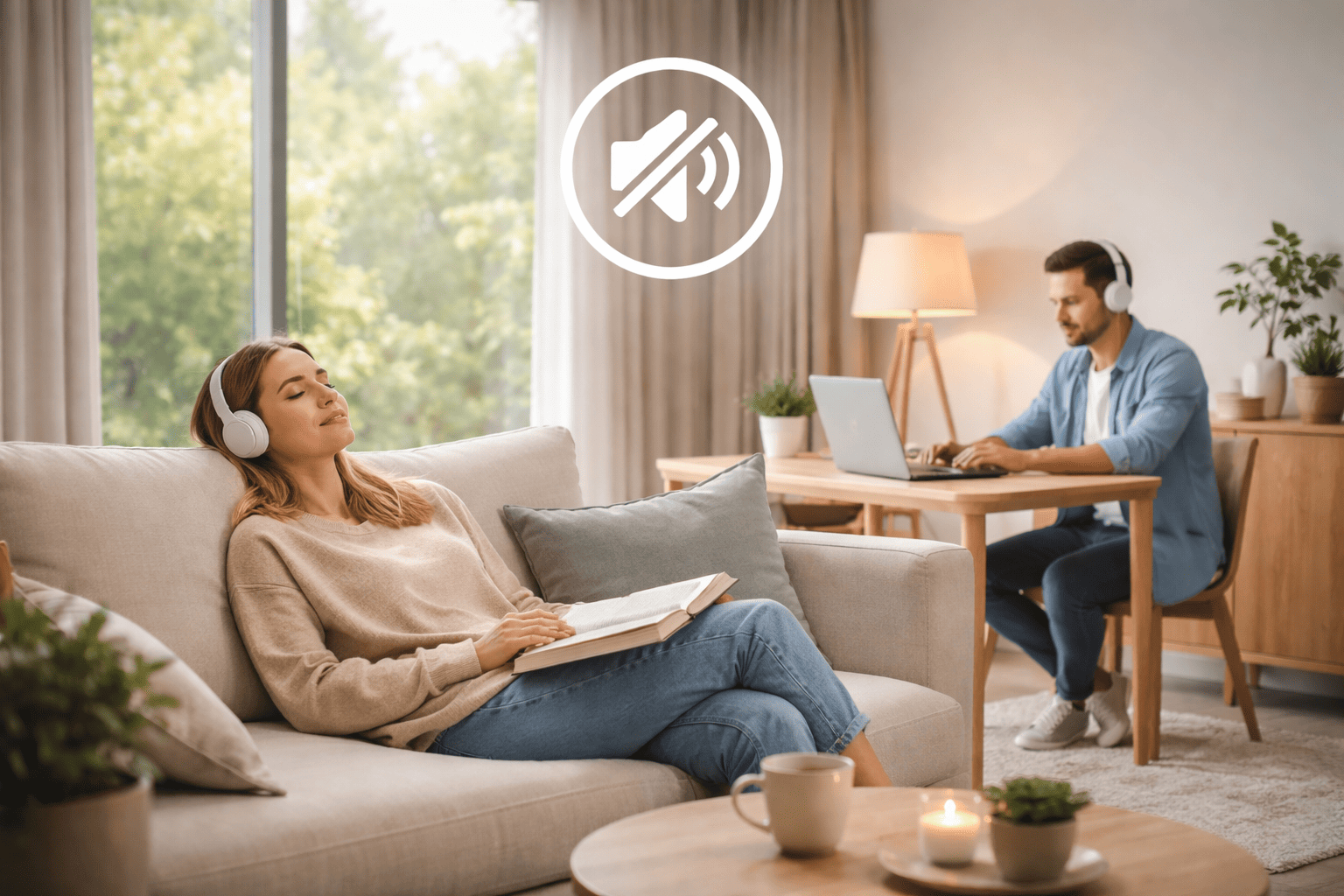
For years, the focus has been on thermal insulation, energy savings and design. Today, however, there is a topic that is becoming increasingly central in the way spaces are designed and experienced: acoustic comfort at home. It is not just a matter of annoyance. Continuous noise, thin walls, noisy neighbors, traffic and lack of acoustic privacy can compromise rest, concentration and overall quality of daily life.
In 2026, the quiet home is no longer perceived as a luxury, but as a real living necessity. This is especially true for those who work from home, live in apartments, have young children, use a room for studying or simply want more balanced and comfortable environments.
In this guide, we will see why acoustic comfort has become an increasingly important decision factor, what are the most problematic noises in residential environments and which solutions can truly improve indoor well-being.
Why the quiet home is a real trend
The modern home is no longer just a place to rest. It is also an office, study area, video call space, relaxation area, gaming room and reading zone. For this reason, domestic silence has become a real value.
When we talk about a “quiet home”, we do not mean an artificial or completely silent environment, but a space where unwanted noise is controlled and does not interfere with sleep, work, privacy or family relationships.
If you want to explore the technical basics, you can read the guide on what acoustic insulation is.
Noise, wellbeing and quality of life
Continuous noise is often underestimated because people get used to it. In reality, an overly noisy environment can make it harder to sleep, concentrate, work or relax. This is why acoustic comfort is increasingly considered part of overall living wellbeing.
It is not only about how loud a sound is, but also how repetitive it is, where it comes from and whether it interferes with sensitive activities like sleep, calls or meetings.
Which noises really disturb at home
In residential environments, the most common problems are everyday repeated noises:
- voices from the next apartment;
- TV or music from neighbors;
- noise from adjacent bedrooms;
- household appliances;
- traffic noise;
- lack of acoustic privacy.
When noise comes from a shared wall, acting on the right surface is often the most effective solution.
Home office and smart working
A noisy home office reduces concentration and productivity. To work effectively, you need a space where background noise does not interfere.
Soundproofing vs sound absorption
Sound insulation blocks noise between rooms, while sound absorption controls echo within the same space.
Where to intervene first
The most effective intervention usually concerns shared walls between rooms or apartments.
Which solution to choose
Choosing the right system depends on noise level, space and environment.
Explore solutions: Stratifon 29 Stratifon 40 Fonobag
Common mistakes
- using decorative panels expecting soundproofing;
- choosing the wrong wall;
- confusing insulation with absorption;
- ignoring weak points;
- choosing only based on price.
FAQ
Is a quiet home a real trend?
Yes, it improves comfort and quality of life.
Conclusion
A quiet home means better comfort, privacy and wellbeing.
Comments (0)